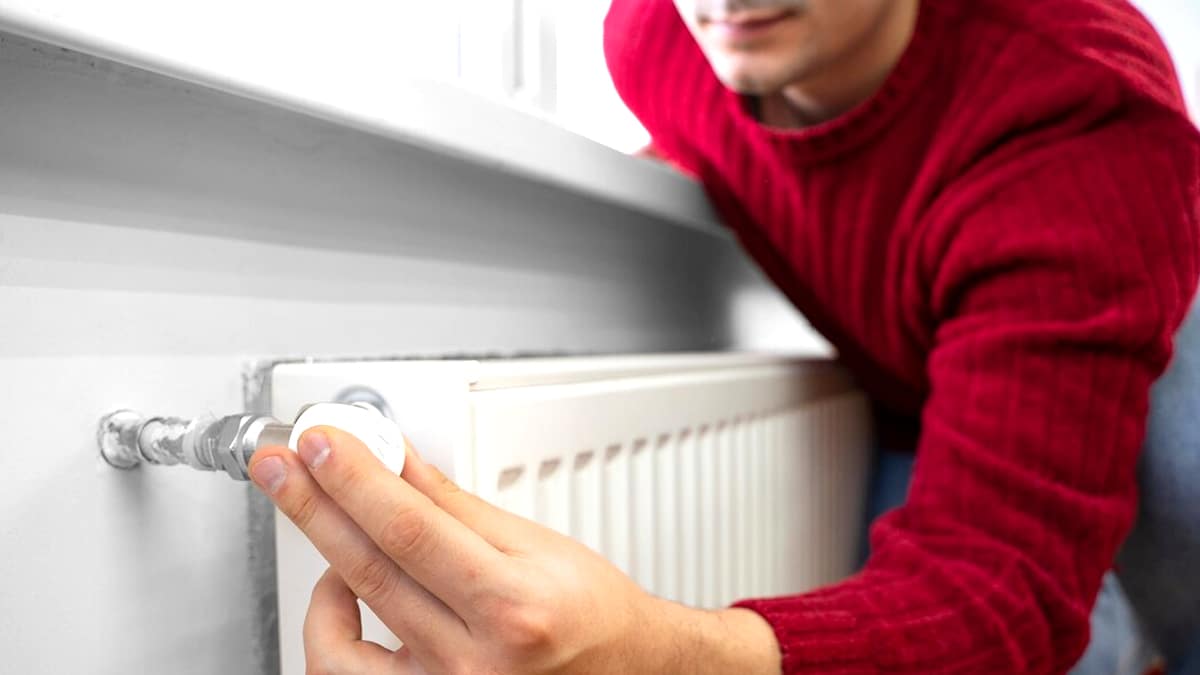
For years, households were told to keep indoor heating at 19°C for safety, comfort, and energy savings. But experts now say this old guideline is outdated. New research on health, insulation, and modern living standards points to a more effective temperature range that better protects your wellbeing while keeping energy use balanced.
Why the 19°C Heating Rule No Longer Works
The 19°C rule became popular decades ago when heating systems were less efficient and energy prices were lower. Today, experts argue that modern living conditions and improved research on indoor climate require updated guidelines. Homes are insulated differently, and the impact of cold indoor temperatures on respiratory and cardiovascular health is now better understood.

Experts Now Recommend 20°C to 21°C for Most Homes
Recent studies show that temperatures below 19°C may increase risks for respiratory issues, dryness, and immune stress, especially during winter. That’s why specialists now propose a range of 20°C to 21°C for the main living areas. This balance supports comfort, reduces cold-related illnesses, and avoids excessive energy consumption.
Updated Heating Recommendations at a Glance
| Topic | Previous Recommendation | New Expert Recommendation |
|---|---|---|
| Standard Home Temperature | 19°C | 20°C to 21°C |
| Best Temperature for Health | 18–19°C | 20°C for living spaces |
| Ideal Bedroom Temperature | 17–18°C | 18–19°C |
| Recommended for Elderly | 20°C | 21°C |
| Reason for Change | Energy-saving focus | Health, comfort, modern insulation |
What’s Behind the Updated Temperature Advice
Researchers evaluated several key factors before updating their recommendations:

- Modern insulation standards improving heat retention
- Increased awareness of cold-related health risks
- The need for consistent warmth for elderly individuals
- Rising evidence that very low indoor temperatures cause stress on the body
These findings show that slightly warmer environments offer better overall wellbeing without dramatically increasing energy use.
Different Rooms, Different Temperature Rules
Experts are also redefining room-by-room heating guidelines. Living rooms should stay around 20°C, while bedrooms can remain slightly cooler for proper sleep quality. For homes with infants or seniors, maintaining a steady 21°C is strongly encouraged to prevent health complications.

Impact on Energy Consumption
Many people fear that increasing home temperatures will spike heating costs. However, experts note that “overheating” happens more often than people realize. Maintaining a stable 20°C is more efficient than turning heating systems off and on throughout the day. Stable temperatures reduce energy surges and keep indoor air healthier.
How Homeowners Can Adjust Smoothly
Switching from the traditional 19°C model to updated guidelines doesn’t require a major lifestyle change. A few simple adjustments can help:

- Gradually increase heat by 1°C rather than making large jumps
- Use smart thermostats to maintain consistent warmth
- Seal drafts and improve insulation in older homes
- Keep humidity balanced to support comfort levels
These steps help maintain the ideal temperature range without unnecessary energy waste.
Conclusion: The shift away from the long-standing 19°C rule marks a meaningful update in how experts view home heating. With new research highlighting the health and comfort benefits of warmer indoor temperatures, maintaining between 20°C and 21°C is now considered the best practice for most households. This modern approach supports wellbeing, reduces health risks, and adapts better to today’s living environments.

Disclaimer: This article is based on general expert recommendations and widely available research on indoor heating. It does not replace professional energy or medical advice. Home conditions, insulation quality, and personal health needs can vary. Always consult qualified specialists for detailed guidance on the best heating setup for your home.

Callum notices the soft rural details, coastal elements, and unhurried moments that define many UK landscapes. His portrayals emphasize texture, quiet transitions, and modest visual impressions. He highlights how everyday places produce subtle emotional responses.