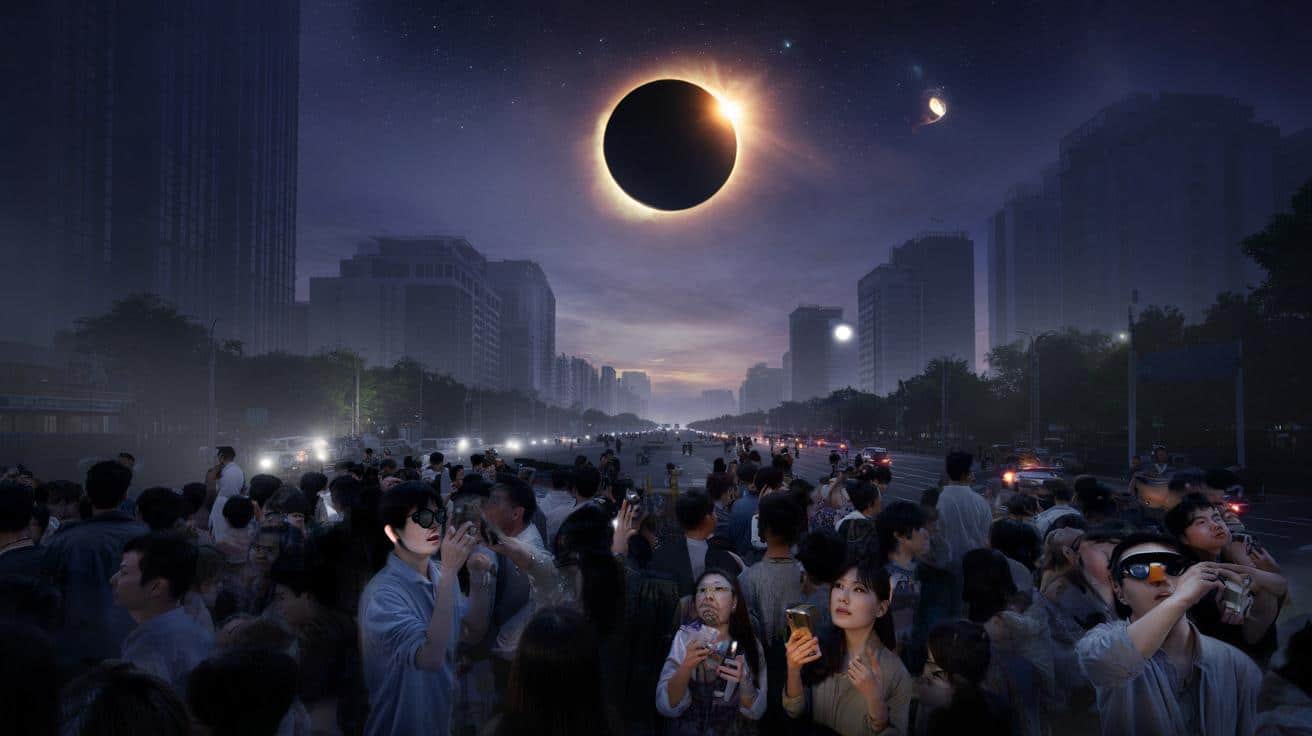
Scientists have confirmed the official date for what will become the longest solar eclipse of the entire century, and excitement is already building around the globe. This rare astronomical event is expected to plunge daytime into darkness for an unusually extended period, offering visibility conditions that experts describe as extraordinary. With its exceptional duration and broad viewing range, it is shaping up to be one of the most memorable celestial moments of our lifetime.
Why This Eclipse Stands Out From All Others
Most total solar eclipses last only a few minutes, but this one will stretch far beyond the usual duration. Its path, orbital alignment, and timing combine perfectly to create a prolonged moment of full solar coverage. Scientists say it is extremely rare for the Sun, Moon, and Earth to align in such a way that the Moon appears large enough to block the Sun for so long. This unusual geometry is what makes this event one of the century’s most extraordinary eclipses.

The Day When Sky Turns to Night
During the peak of the eclipse, daylight will fade into a temporary night as temperatures drop and stars briefly become visible. This dramatic change will last noticeably longer than typical eclipses, giving observers more time to experience the stillness, cooling air, and eerie twilight that accompany totality. Many describe such extended eclipses as deeply emotional moments because the transformation of the sky feels almost surreal.
Key Details at a Glance
| Feature | Typical Total Solar Eclipse | This Century’s Longest Eclipse |
|---|---|---|
| Duration of Totality | 2–4 minutes | Significantly longer than average |
| Visibility Range | Limited regions | Widespread and accessible |
| Scientific Interest | High | Exceptionally high due to duration |
| Atmospheric Impact | Brief twilight effect | Extended daylight darkness |
| Public Viewing | Often challenging | Expected to offer remarkable clarity |
Why Visibility Will Be Better Than Most Eclipses
Experts say one of the most exciting aspects of this event is its wide and favourable visibility corridor. Many regions along the path will have clear vantage points, longer viewing windows, and an increased chance of experiencing totality without obstruction. Unlike past eclipses that required travel to remote areas, this one will be accessible to millions of people without long-distance trips. The combination of remarkable duration and generous viewing opportunities makes it a once-in-a-century experience.

What Scientists Expect to Learn From It
Because the eclipse lasts so long, researchers will have an extended opportunity to observe the Sun’s outer atmosphere, the behaviour of the corona, and changes in Earth’s temperature and wind during darkness. The extra time could provide rare data that shorter eclipses simply cannot offer. This extended viewing is particularly valuable for understanding solar activity, atmospheric reactions, and the delicate balance of energy that shapes Earth’s climate.
Conclusion: The newly announced date for the longest solar eclipse of the century sets the stage for an extraordinary global event. Its exceptional duration, dramatic daylight-to-darkness shift, and unusually strong visibility make it one of the most anticipated astronomical moments in decades. Scientists, sky watchers, and the general public all stand to benefit from an eclipse that promises both breathtaking beauty and unprecedented scientific opportunity.

Disclaimer: This article is based on general astronomical insights and publicly shared scientific commentary. Specific visibility, timing, and regional viewing conditions may vary depending on weather, geography, and official eclipse mapping updates. It is not a substitute for expert astronomical guidance. Always follow trusted safety instructions when viewing solar events.


Callum notices the soft rural details, coastal elements, and unhurried moments that define many UK landscapes. His portrayals emphasize texture, quiet transitions, and modest visual impressions. He highlights how everyday places produce subtle emotional responses.