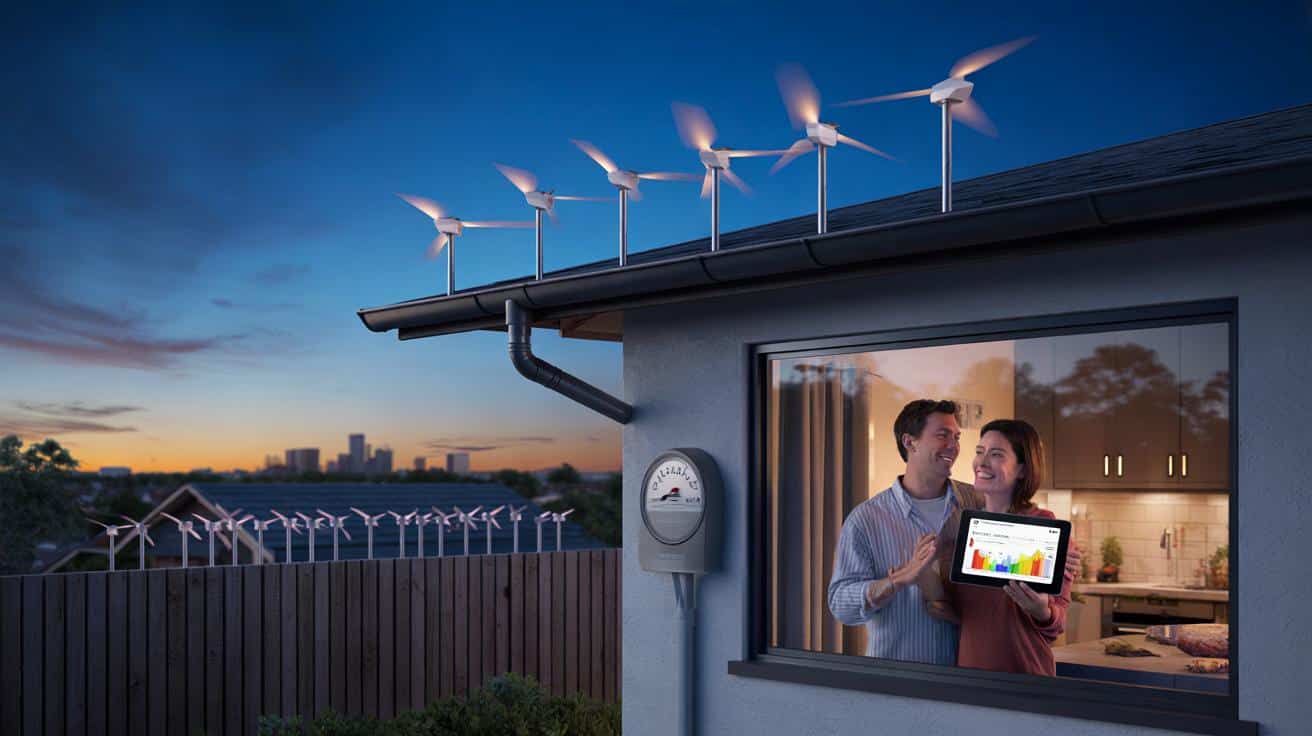
A new wave of compact wind technology backed by Bill Gates is quickly becoming one of the most disruptive energy solutions for households. These miniature wind turbines are designed to dramatically cut electricity costs, work in places traditional turbines cannot, and be installed in less than a year. Their affordability and versatility make them one of the most promising renewable upgrades for everyday homes.
Why Miniature Turbines Are Changing Home Energy
Standard wind turbines are powerful but impractical for most households. They require open fields, heavy machinery, lengthy building approvals, and significant investment. The new miniature turbines backed by Gates flip this model entirely by offering compact, efficient units that fit on rooftops or modest outdoor spaces. This gives homeowners direct access to clean energy without the barriers of conventional wind technology. Their affordability also allows more families to participate in renewable energy without relying solely on solar panels.

How These Turbines Slash Electric Bills
The turbines are engineered to capture wind from multiple directions at low speeds, something large turbines struggle with in small residential areas. This makes energy production more consistent through different seasons. By generating power directly for the home, they reduce dependency on the grid and cut monthly electricity costs. Many early adopters report significant reductions in bills because the turbines operate day and night, unlike solar systems that stop during dark hours. This consistent generation is one of the main reasons experts believe these miniature systems could transform household energy budgets.
Key Details at a Glance
| Feature | Traditional Wind Turbine | Miniature Gates-Backed Turbine |
|---|---|---|
| Cost | High and complex | Up to three times cheaper |
| Installation Time | Long and location-limited | Installable almost anywhere within a year |
| Space Requirement | Large open areas | Rooftops, backyards, small plots |
| Energy Output | Large-scale | Household-level |
| Ideal Users | Commercial sites | Homes, farms, small properties |
Why Installation Is Faster and More Flexible
One of the most surprising advantages is how quickly these units can be installed. Traditional turbines require permits, structural foundations, and specialist equipment. The new compact models use lightweight materials and modular parts, allowing them to be assembled easily on rooftops or small plots of land. Their size eliminates many zoning restrictions, making the approval process far simpler. In most regions, the full installation can happen within a year, and in some cases far sooner. This speed is crucial for homeowners looking to control rising electricity costs as soon as possible.

How This Innovation Shapes the Future of Home Energy
Miniature wind turbines broaden the renewable energy landscape beyond solar. They allow homes in cloudy or mixed-weather regions to generate reliable electricity. They also fill gaps where solar panels alone are not enough to offset rising utility prices. As more households adopt these compact turbines, neighbourhood energy demand decreases, and long-term grid pressure is reduced. This shift supports a cleaner, more resilient energy system that benefits both homeowners and the environment. With major innovators backing this technology, adoption is expected to accelerate quickly.
Conclusion: Bill Gates’ support for miniature wind turbines is driving one of the most exciting advancements in home energy. These compact systems offer fast installation, broad flexibility, and costs up to three times lower than traditional wind technology. For families looking to cut electric bills and embrace reliable renewable energy, these turbines present a powerful and accessible solution that fits almost anywhere.

Disclaimer: This article is based on publicly available information regarding small wind technology and general renewable energy trends. Performance, cost, and installation timelines may vary depending on location, home structure, and manufacturer specifications. It is not a substitute for technical or financial advice. Always consult energy professionals before making installation decisions.


Callum notices the soft rural details, coastal elements, and unhurried moments that define many UK landscapes. His portrayals emphasize texture, quiet transitions, and modest visual impressions. He highlights how everyday places produce subtle emotional responses.