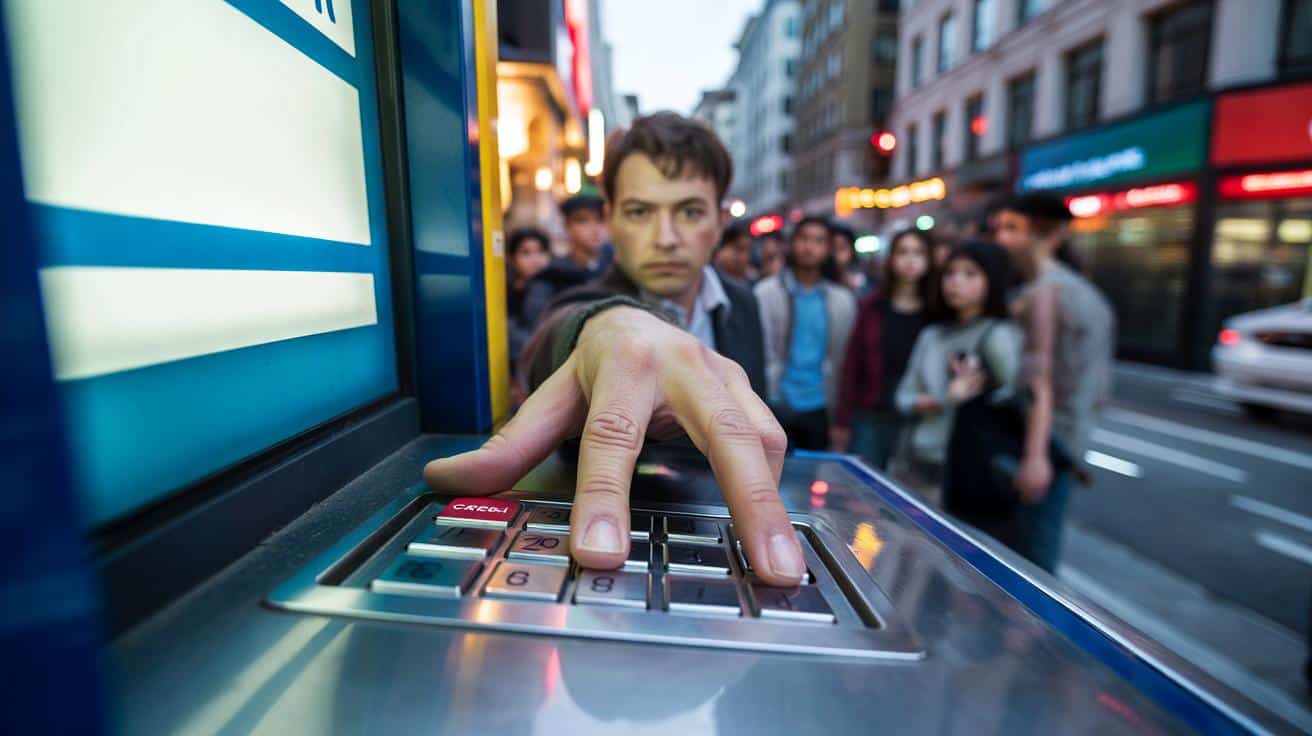
Many people panic when an ATM suddenly swallows their bank card. Urban legends claim there’s a “secret trick” to retrieve it instantly, but experts confirm that modern ATMs lock retained cards securely. The real fast technique is not about pulling the card out, but about immediately protecting your account while waiting for assistance. Acting quickly in the right way can stop fraud, prevent unauthorized withdrawals, and keep your finances safe.
Why ATMs Retain Cards
ATMs keep cards for specific security reasons, such as repeated PIN errors, suspicious activity, expired cards, or communication failures with the bank network. When this happens, the machine automatically locks the card inside its secure compartment. No physical method at the ATM can release it, and attempting to force retrieval may damage the machine or lead to legal issues. Understanding this system helps you respond calmly and effectively.

The Fast Technique Experts Recommend
The technique is simple yet powerful: use your banking app’s instant card-freeze function. Today’s ATMs and bank apps are designed to work together so that cardholders can immediately secure their accounts, even before speaking with a representative. Freezing the card stops all withdrawals, online payments, and contactless transactions until it is reactivated. This ensures that even if the ATM malfunctioned or if someone attempts to misuse your card later, your account remains protected.
What Really Happens When an ATM Keeps Your Card
| Situation | Common Assumption | Actual Process |
|---|---|---|
| Card Retained by ATM | Machine malfunction | Security protocol triggered |
| Card Retrieval | Possible with tricks | Impossible without bank staff |
| Account Safety | At risk until card returns | Instantly secure with card freeze |
| Next Steps | Wait for help | Lock the card and verify transactions |
Why This Works Better Than Any Mechanical Trick
Modern ATMs are tamper-resistant. Once the machine retains a card, only authorized personnel can access it. Because physical retrieval is not possible, financial protection becomes the priority. Digital card freezing effectively replaces the old advice of cancelling the card, but with the advantage of being reversible once the issue is resolved. This modern approach delivers instant security at the moment you need it most.

What Happens After You Freeze the Card
Freezing the card gives you time to contact your bank without worrying about unauthorized transactions. Bank representatives can check whether the ATM captured your card intentionally or due to a technical error. They can also confirm when and how the card will be returned or issue a replacement. Meanwhile, your funds remain protected, and you maintain control over your account.
Why Staying Calm Is Essential
An ATM retaining your card can feel alarming, but it is rarely a sign of fraud. Banks design these protocols to protect customers, not inconvenience them. Staying calm allows you to take the correct steps, secure your card digitally, and communicate clearly with bank support.

Conclusion: The idea of a secret trick to pull your card back from an ATM is a myth. Modern machines store retained cards securely, making physical retrieval impossible without bank assistance. The real fast technique is to instantly freeze your card through your banking app, safeguarding your money until help arrives. This simple digital action offers immediate protection and ensures that your account remains secure while the bank resolves the situation.
Disclaimer: This article provides general information based on standard banking and ATM security practices. It does not replace advice from your financial institution. ATM systems may vary, and individual steps can differ depending on country, bank, and technology. Always follow the instructions provided by your bank and use official customer support channels when experiencing issues with retained cards.


Callum notices the soft rural details, coastal elements, and unhurried moments that define many UK landscapes. His portrayals emphasize texture, quiet transitions, and modest visual impressions. He highlights how everyday places produce subtle emotional responses.