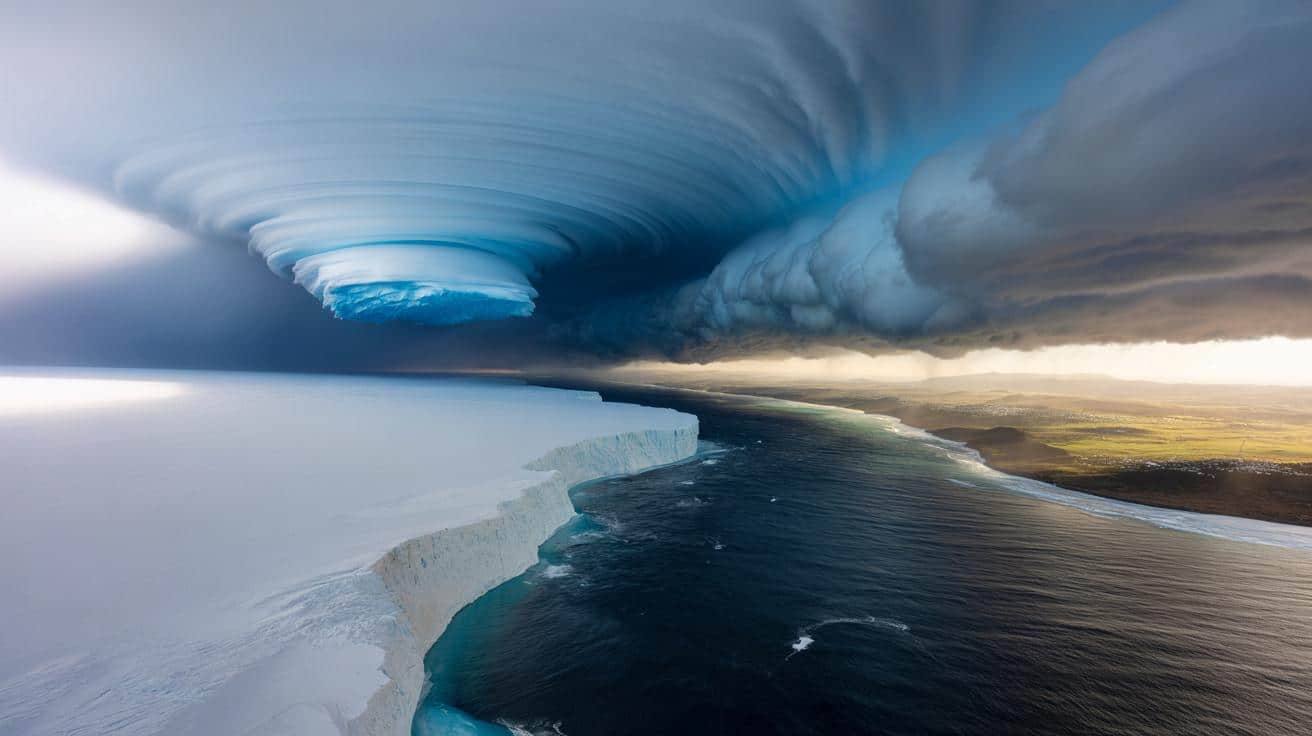
Meteorologists are tracking an unusual and increasingly powerful early-season polar vortex shift developing this December. Experts warn that the intensity of this atmospheric disturbance could rival or even exceed the major events of past years, reshaping winter patterns across multiple regions. Its early arrival and rapid strengthening have drawn significant scientific attention, with forecasts already hinting at dramatic impacts.
Why This Early Polar Vortex Shift Is So Unusual
The polar vortex normally tightens during early winter, locking cold air over the Arctic before weakening later in the season. This year, however, disruptions are forming far earlier than expected, causing instability at the top of the atmosphere. Experts say the speed and scale of this shift are rare, suggesting that the vortex could displace or split in the coming weeks—events that historically lead to major outbreaks of extreme weather.

How This Shift Could Impact December Weather
If the vortex weakens significantly or moves off-center, cold Arctic air could spill into lower latitudes. This may create stronger-than-normal temperature contrasts, unexpected snow events, and dramatic shifts between mild and freezing conditions. Meteorologists emphasise that December could bring volatility not seen in several years, with certain regions experiencing rapid changes in storm tracks and colder-than-normal spells.
Key Details at a Glance
| Feature | Typical Pattern | Current Situation |
|---|---|---|
| Polar Vortex Behavior | Strengthens in early winter | Weakening and shifting unusually early |
| Seasonal Timing | January or later | Developing in December |
| Weather Impact | Gradual changes | Potential abrupt shifts |
| Expert Concern Level | Moderate | High due to intensity and timing |
How Jet Stream Patterns May Respond
A polar vortex shift often triggers large-scale bending of the jet stream. When the jet stream becomes wavier, weather patterns slow down, allowing storms to linger longer over regions and cold air to remain trapped. Scientists are monitoring these upper-air movements closely, as early signs suggest the upcoming shift could amplify these effects. This may influence everything from snowfall totals to wind patterns and storm intensity.

How This Event Is Changing Forecast Confidence
Long-range winter forecasts released earlier in the season may need adjustment. The strength of this developing shift introduces new variables into prediction models, increasing the likelihood of colder, stormier scenarios. Because the event is forming early, its influence could stretch across December and well into January, affecting holiday travel, energy usage, and regional precipitation outlooks.
Conclusion: The developing early-season polar vortex shift is shaping up to be one of the most significant atmospheric events in recent years. Its unusual December timing and growing intensity suggest it may dramatically alter winter weather patterns across many regions. As scientists continue analysing upper-air data, forecasts are being revised to reflect the heightened potential for volatile and impactful conditions.

Disclaimer: This article is based on general meteorological observations and widely discussed atmospheric research. Weather outcomes can vary significantly depending on regional climate patterns and ongoing atmospheric changes. It is not a substitute for official weather forecasts. For accurate, up-to-date information, always follow guidance from recognised meteorological agencies.


Callum notices the soft rural details, coastal elements, and unhurried moments that define many UK landscapes. His portrayals emphasize texture, quiet transitions, and modest visual impressions. He highlights how everyday places produce subtle emotional responses.