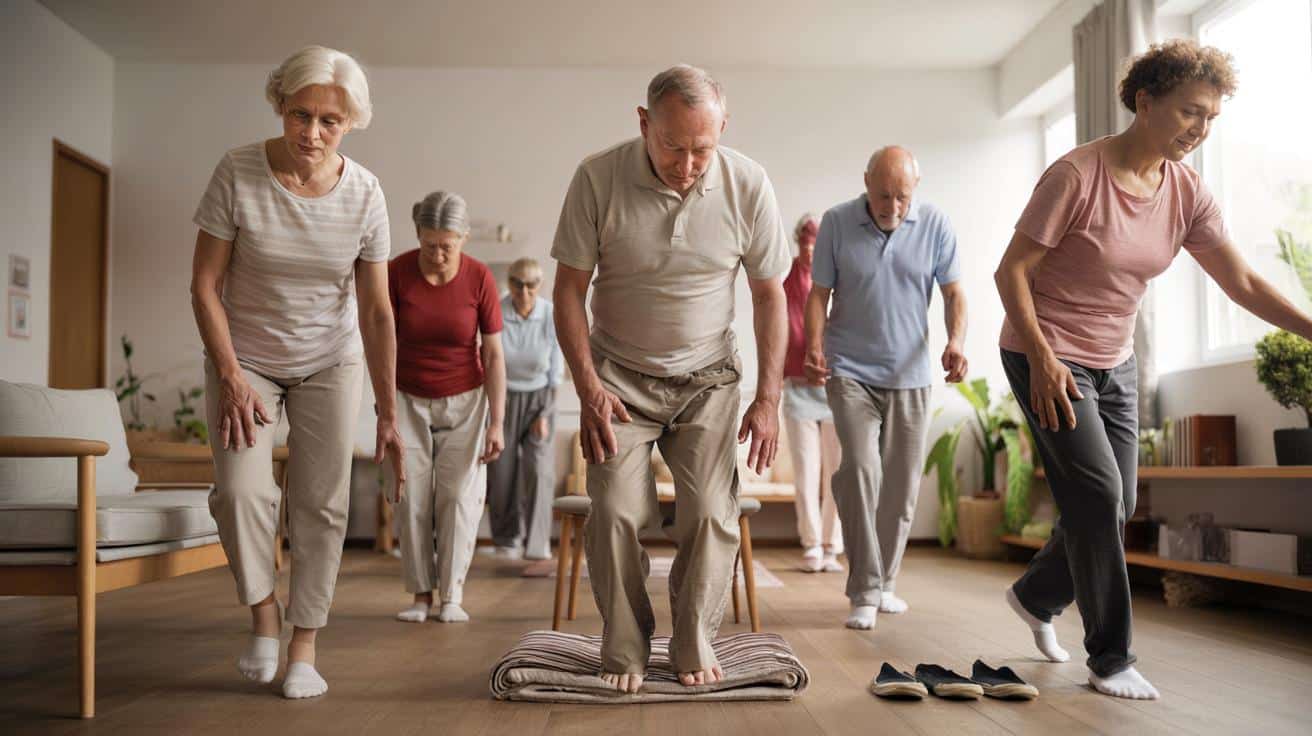
Many people believe that daily walks or occasional gym sessions are enough to stay healthy after 70. But geriatric specialists now highlight a different movement pattern that does far more for longevity, balance, and independence: short, frequent bursts of movement spread throughout the day. This simple approach, often called “movement snacking,” is emerging as one of the most effective ways to improve healthspan in older adults without strain, equipment, or intense workouts.
Why Long, Occasional Exercise Isn’t Enough After 70
As the body ages, long periods of sitting become more harmful than ever. Muscles stiffen faster, circulation slows, and balance weakens with inactivity. Even people who go for a daily walk may sit for the remaining 12–14 hours, which cancels many of the walk’s benefits. Specialists now emphasise that frequency matters more than intensity for maintaining function and independence.

How Movement Snacking Supports Longevity
Short, gentle activities done multiple times per day—such as standing stretches, slow marching in place, light squats, or lifting light household items—trigger small boosts in blood flow, joint lubrication, and muscle activation. These tiny movements add up, supporting stronger bones, better balance, and improved energy levels. This pattern keeps the body engaged steadily throughout the day, preventing the decline that comes from long periods of inactivity.
Key Details at a Glance
| Traditional Routine | Limitation | New Recommended Pattern | Benefit |
|---|---|---|---|
| One daily walk or weekly gym | Long periods of sitting in between | Short movements throughout the day | Better mobility, circulation, balance |
| Structured exercise | Requires time and stamina | 3–5 minute movement bursts | Easier to maintain after 70 |
How This Pattern Reduces Fall Risk
Falls become a major concern after 70, often linked to stiff joints or sudden changes in movement after being seated too long. Frequent small movements help the body respond more predictably. The muscles stay responsive, the joints stay warm, and coordination remains sharp. As specialists note, this method keeps the nervous system “awake” and reduces the sudden instability that often leads to falls.

How to Build This Into Everyday Life
Movement snacking fits naturally into daily routines. Simple actions like standing during commercials, rising from a chair a few extra times, slow arm raises while waiting for the kettle, or light stretching during chores all count. This routine requires no planning, no equipment, and no gym membership. The goal is consistent, gentle activation rather than long sessions.
Conclusion: After 70, the most effective strategy to upgrade healthspan isn’t intense workouts or long daily walks—it’s frequent, gentle movement throughout the day. This pattern improves strength, balance, energy, and overall wellbeing with minimal effort. By breaking up long sitting periods and keeping the body active in small doses, older adults can protect mobility and independence far more effectively.

Disclaimer: This article is based on general advice commonly recommended by geriatric health experts. Individual abilities, medical conditions, and mobility levels vary widely, so results may differ. It is not a substitute for personalised medical guidance. Always consult a healthcare professional before changing your activity routine, especially if you have chronic conditions or mobility concerns.


Callum notices the soft rural details, coastal elements, and unhurried moments that define many UK landscapes. His portrayals emphasize texture, quiet transitions, and modest visual impressions. He highlights how everyday places produce subtle emotional responses.